Biohazard Cleanup
Biohazard cleaning for homes, rentals, businesses and vehicles, with discreet crews and 24/7 emergency response.
Learn more →Texas · Lee County
Who cleans up after a loss at home in Lexington? You do not have to. Biohazard removal, crime scene cleaning, trauma cleanup and medical waste pickup are all answered at (877) 812-4220, day or night.
If anyone is in danger, call 911 first. For a suicide crisis, call or text 988.
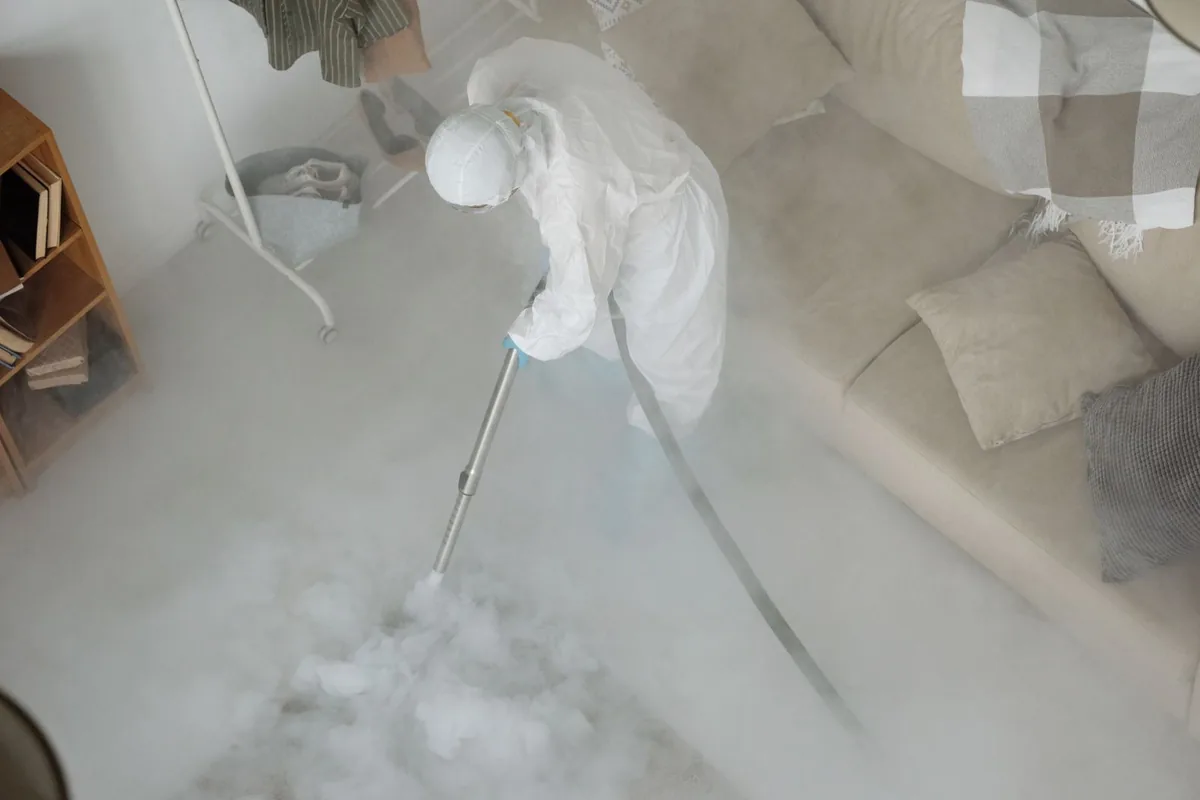
Cleaning up biohazard material is regulated work with real health risks, because blood and bodily fluids can carry bloodborne pathogens. If it happens, Lexington families and businesses can call Lexington Biohazard Cleanup Help for local biohazard cleanup.
Every job follows the same order. Assess the area, contain it, remove contaminated and hazardous materials, disinfect, treat odor and dispose of the waste under the rules. Crews are available 24/7 in Lexington and throughout Lee County.
About 22% of homes in Lee County are rented, so many cleanups involve owners working directly with their own homeowners insurance company. About 57% of homes in Lexington were built before 1980, and older carpet, subfloor and wood trim absorb fluids deeply.
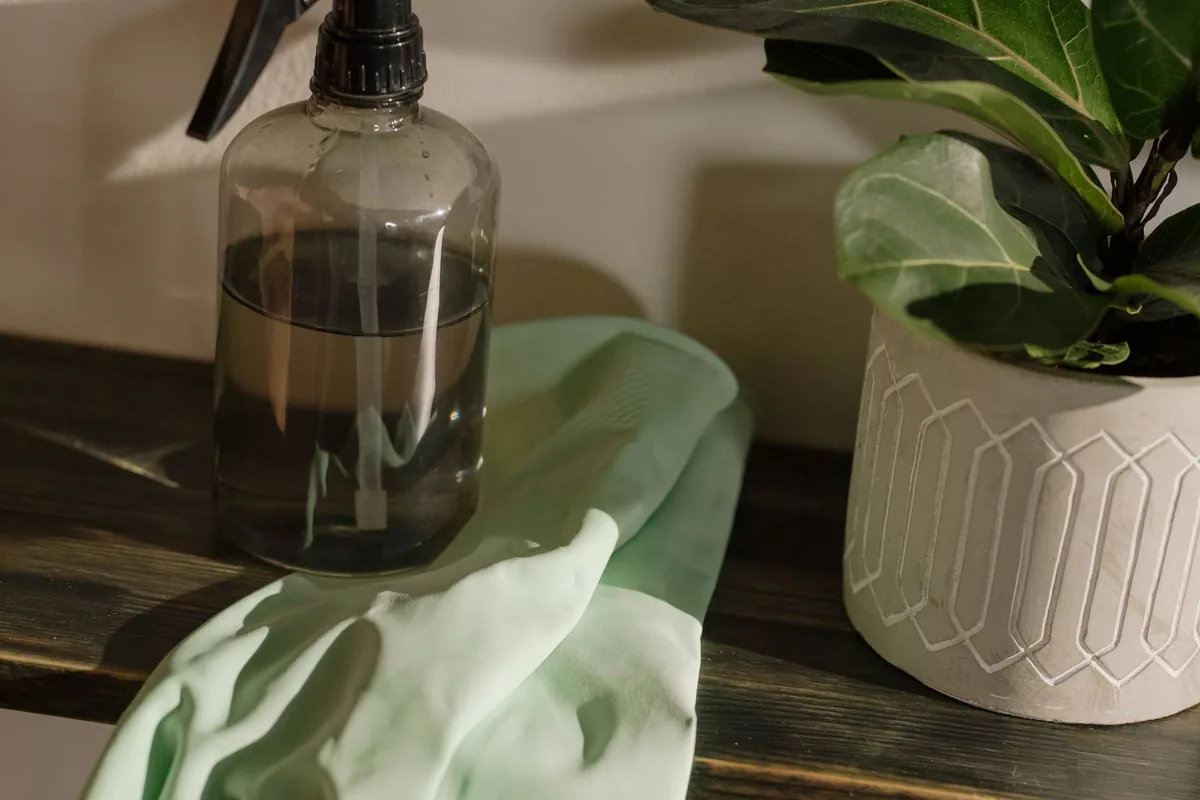
Household gloves and a spray bottle do not meet the standard for infectious materials. Biohazard decontamination follows 29 CFR 1910.1030, which sets rules for protective equipment, handling and disposal when blood or other potentially infectious materials are present.
Waste leaves the property the right way. Contaminated items are sealed in labeled biohazard containers, and in Texas companies that haul other people's untreated medical waste register with the Texas Commission on Environmental Quality (TCEQ).
Looking for something specific? Each card below is a separate biohazard cleanup service for Lexington, with its own page on process, safety and what to expect.
Biohazard cleaning for homes, rentals, businesses and vehicles, with discreet crews and 24/7 emergency response.
Learn more →Blood, bodily fluids and residue removed and disinfected after law enforcement releases the scene.
Learn more →Trauma cleaners remove blood, bodily fluids and odor after injuries, violent events and sudden emergencies.
Learn more →Respectful biohazard cleanup for homes and rentals after an unattended death.
Learn more →Compassionate cleaning after a loss, with keepsakes set aside and the room returned safe.
Learn more →Homicide cleaners remove contaminated materials, disinfect every affected surface and prepare records for insurers.
Learn more →Blood spill clean up for homes, rentals and workplaces, with soaked materials removed and surfaces sanitized.
Learn more →Human feces cleanup and removal in homes, rentals and workplaces, with odor treatment included.
Learn more →Urine and feces cleanup that removes soaked carpet, mattresses and furniture and sanitizes the affected area.
Learn more →Thorough deodorizing after a death, with the air and structure checked room by room.
Learn more →Safe pathways, careful sorting and deep cleaning for homes with heavy buildup of belongings.
Learn more →Full-house hoarder cleanout with sorting, haul-away and deep cleaning from the first room to the last.
Learn more →Animal hoarding clean up that restores a home for repairs, a sale or a new tenant.
Learn more →Crews haul away trash and soiled items, then deep clean and sanitize the home.
Learn more →Sewer backup cleaning for toilets, drains, basements and crawl spaces in homes and businesses.
Learn more →Biohazard decontamination after outbreaks, with protective gear, set order of work and sealed disposal of waste.
Learn more →Cleaning first, disinfecting second: a careful process that targets the germs, not only the stain.
Learn more →Medical waste left behind after illness, a move or a cleanup, removed with protective gear.
Learn more →Found a needle? A cleanup team searches the area, removes every sharp and disinfects what it touched.
Learn more →Safe removal of sharps and drug use items, with disinfection and odor treatment afterward.
Learn more →Testing, removal, cleaning and retesting for properties where meth was made or heavily used.
Learn more →Decontamination for rentals, motels, offices and vehicles after drug incidents and responder visits.
Learn more →Spills, leaks and abandoned chemicals contained, removed and hauled away by crews in protective gear.
Learn more →Hazardous materials contained, removed and hauled away after spills, leaks and accidents.
Learn more →Tear gas cleanup for homes, shops and vehicles, with testing, containment and a final check.
Learn more →Hantavirus-aware cleanup for cabins, sheds, barns and homes with HEPA-filtered equipment and disinfection.
Learn more →Pigeon and bird droppings cleanup on ledges, balconies, warehouses and storefronts.
Learn more →Dead animal odor removal that targets the source of the smell, not just the air.
Learn more →Rideshare, rental and fleet vehicle decontamination handled quietly and returned ready to use.
Learn more →Injury scene cleaners remove soaked materials, treat odor and prepare records for employers and insurers.
Learn more →Biohazard cleaning for commercial and industrial sites, from restrooms and break rooms to warehouse floors.
Learn more →Estate cleanup that empties, cleans and hands back a home ready for its next step.
Learn more →The cleanup team measures how far fluids, waste or residue spread and decides which materials can be saved. This sets the timeline and the cost range.
Plastic sheeting, floor protection and air filtration go up before anything is moved. Protective gear goes on before the crew goes in.
Crews in protective gear remove contaminated materials, clean every surface and disinfect with EPA-registered products. Waste is sealed and carried out as regulated medical waste.
HEPA scrubbers and odor treatment clean the air. A final walkthrough, and ATP testing where it is useful, shows whether anything was missed.
Cleanup technicians know families may be grieving. They keep conversations short, kind and free of judgment, and they treat belongings with care.
Blood, decomposition, sewage, sharps, hoarding, drug residue and infectious disease all fall under one call, with the right method for each.
Contaminated items are sealed, labeled and kept out of household trash, and the waste leaves under medical waste rules.
A final inspection, with odor and surface checks where they help, confirms the area is safe before the cleanup is called complete.
Biohazard cleanup in Lexington, TX typically costs $500 to $25,000, depending on the type of biohazard, the size of the affected area and how far fluids soaked into porous materials.
Most residential jobs cost $3,000 to $5,000 (Fixr). Access and building type play a role too. A vehicle, a single bathroom, a rental unit and a large commercial space all call for different crews, equipment and hours.
| Type of job | Typical range |
|---|---|
| Blood spill cleanup, small area | $500 - $2,500 |
| Crime scene cleanup, most homes | $1,500 - $7,500 |
| Unattended death cleanup | $2,000 - $7,000 |
| Suicide cleanup | $1,500 - $5,500 |
| Sewage cleanup, most homes | $2,000 - $10,000 |
| Hoarding cleanup, level 3 home | $2,000 - $5,000 |
| Meth lab cleanup, typical | $15,000 - $20,000 |
Estimates only, not a quote. Sources: Fixr, Yelp Costs, BioCleaners Directory, PushLeads, Dropcurb, Bob Vila and cleanup company cost guides. Call (877) 812-4220 to talk through the job.
Homes, churches and businesses may need infectious disease disinfection, needle and sharps cleanup, or meth lab and fentanyl decontamination after a property is released.
Attics, barns and sheds can hold droppings, guano and carcasses that carry disease. Careful removal and disinfection protect the people who go back in.
After the Lee County Sheriff's Office or local police release a scene, blood, bodily fluids and fingerprint powder remain. Law enforcement does not clean; the property owner calls crime scene cleaners.
About 25% is the census figure for older adults living alone in Lee County. When a person dies alone, days may pass before anyone knows, and unattended death cleanup follows.
An average July high of 95 degrees in Lexington speeds up decomposition after a death. The sooner the scene is released and cleaned, the less the odor and fluids spread.
Failing septic systems and sewer backups push raw sewage, a Category 3 biohazard, into homes. Sewage cleanup removes contaminated materials and disinfects every surface.
Health risks vary by material. Blood and bodily fluids bring bloodborne pathogens, decomposition brings bacteria and odor, and waste and residue bring their own dangers. Job size then sets the scale of the response.
It varies by the germ. Hepatitis B can survive on surfaces for at least seven days, and other pathogens last for different periods. Because nobody can tell by looking, all blood is treated as infectious until it has been properly disinfected.
It is not safe. Household cleaners do not reach blood and fluids that soak into carpet, padding, drywall and subfloor, and there are rules for disposing of biohazardous waste. A professional biohazard cleaner uses PPE, EPA-registered disinfectants and regulated medical waste disposal.
The cost depends on the type of contamination, the size of the area, how many porous materials must be removed, odor treatment and waste disposal. A small spill costs far less than an unattended death or a hoarded home. The cleanup team explains the cost range after hearing the details.
In Texas, a justice of the peace or a medical examiner, depending on the county, looks into certain deaths. They and the police decide when the person can be taken from the home and when the scene is released. Cleanup happens after that.
A cleanout of belongings can take from a day to several weeks depending on how much is in the home. If a death left biohazards, the biohazard cleanup comes first, and sorting or hauling follows once the area is safe.
Contaminated items are bagged, labeled and moved as regulated medical waste. In Texas, companies that haul other people's untreated medical waste register with the Texas Commission on Environmental Quality (TCEQ). Contaminated materials should not go in household trash.
Yes. Lexington has about 1,289 residents, and the same biohazard cleanup services are available in Lexington and across Lee County. Call (877) 812-4220 to talk through the job.
It can. Lee County has a Very Low river flood risk rating from FEMA. Wherever floodwater or a sewer backup enters a home, the water is treated as Category 3 and needs full cleaning and disinfection.
Nearby towns such as Rockdale and Giddings are part of the Lexington service area. Property owners in Lee County can call (877) 812-4220 for biohazard removal at any hour.
A cleanup specialist is ready to talk it through whenever you are.
Call (877) 812-4220